
Why Do Eyes in Contact Lenses Itch More in Pollen Season?
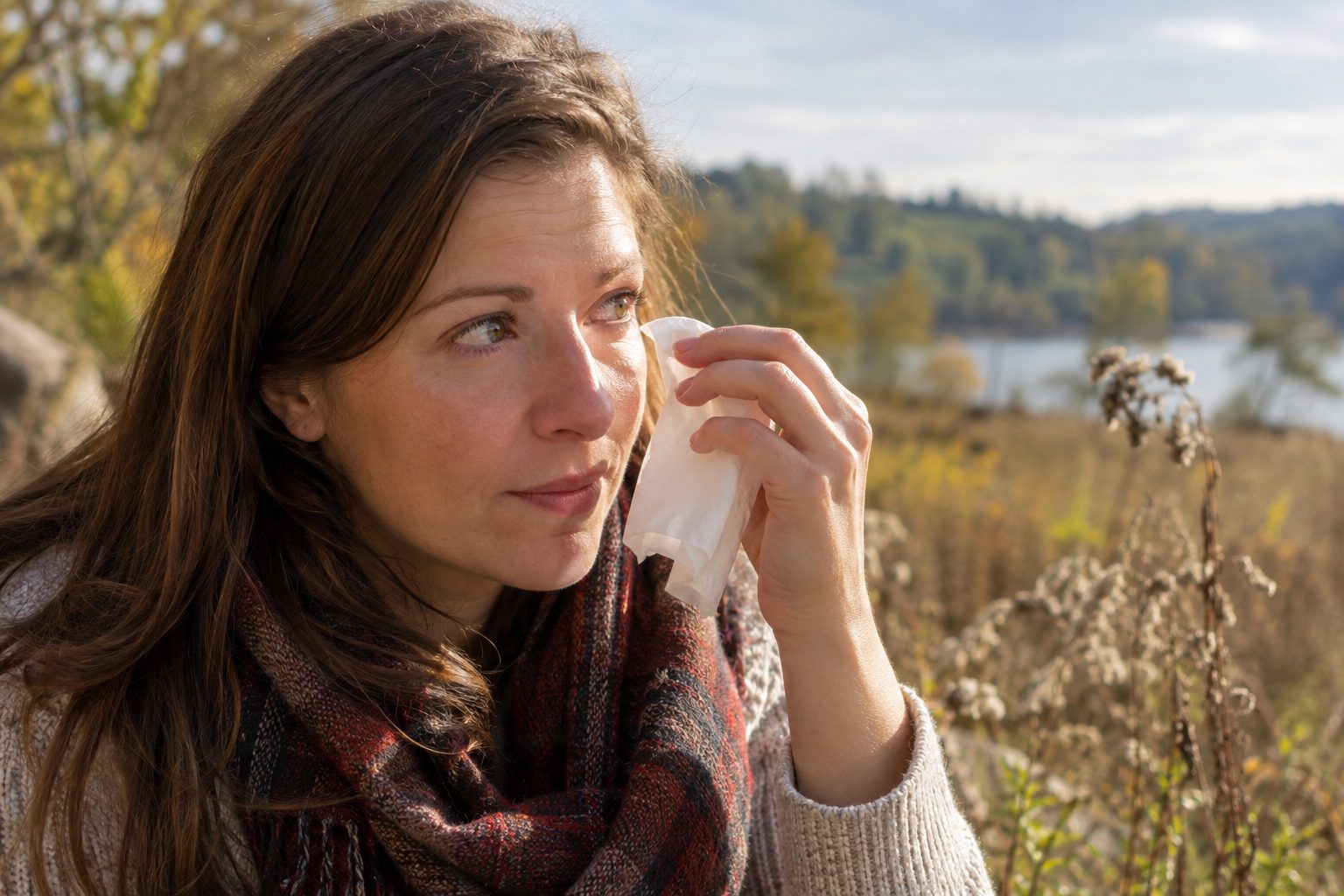
You put your lenses in in the morning and head out. By lunchtime your eyes are itching. Your nose runs and you sneeze. Taking the lenses out helps a little.
For people with pollen allergies, contact lenses need a little more care.
Pollen season is not only spring
The American College of Allergy, Asthma and Immunology (ACAAI) explains that ragweed pollen is released from August into November and usually reaches its peak in mid-September. During this season, pollen levels are highest in the morning. That is the opposite of spring pollen, which peaks in the evening.
This is the US picture. Which plants release pollen, and when, differs by country and region. In the Southern Hemisphere, October is spring. The local pollen forecast where you live is the most accurate guide.
What changes when you wear lenses

The American Optometric Association (AOA) advises allergy sufferers to consider wearing glasses instead of contacts. The reason is that airborne allergens accumulate on lenses.
On a bare eye, tears wash pollen away. With a lens in, there is one more surface, and whatever sticks to it stays on your eye until you take the lens out.
Why daily disposable lenses are suggested
The AOA suggests talking about daily disposable lenses that are thrown away after a single use. A fresh lens every day means less buildup of allergens and other debris on the lens surface.
If you use monthly lenses, never skipping the cleaning step matters even more. The American Academy of Ophthalmology (AAO) explains that whether you have allergies is one of the factors in choosing a cleaning solution. Ask your eye doctor which solution suits you. The difference between daily and monthly lenses is covered in Are Daily and Monthly Contact Lenses Really Different—or Just Packaged Differently?
Even when it itches, don't rub

When your eyes itch, your hand goes there first. But rubbing an eye with a lens in can push the lens out of place or fold it, and whatever is on your fingers can get into your eye.
The AOA says cool compresses are very effective against itching. It also says artificial tears can help dilute allergens and wash them away.
With lenses in, though, you cannot use just any eye drop. The AAO advises that while wearing lenses you should use only wetting drops or preservative-free lubricating drops recommended by your eye doctor.
Allergy drops go in with lenses out
Many over-the-counter allergy eye drops are not meant to be used with lenses. The Drug Facts label of a ketotifen allergy eye drop sold in the US says:
- Remove contact lenses before use
- Wait at least 10 minutes before reinserting lenses after use
- Do not use to treat contact lens related irritation
The same product contains a preservative (benzalkonium chloride). The relationship between eye drops and lenses is covered in more detail in the next article.
It might be the lenses
If your eyes itch with lenses in even outside pollen season, and the lens feels as if it is riding up, it may be a different problem.
The AAO describes a condition called giant papillary conjunctivitis (GPC). When a lens keeps rubbing the inside of the eyelid, protein builds up on the lens, or you are allergic to the lens material or cleaning solution, the inside of the eyelid becomes red and bumpy. You may feel something in your eye, notice discharge, or feel the lens move when you blink. The AAO stresses that this condition needs to be treated right away.
What you can do in pollen season
- Consider glasses on high-pollen days. When symptoms are bad, it is better to give your lenses a rest.
- Ask about daily disposable lenses.
- Wash your hands first when you come home. The ACAAI explains that pollen comes into the house on clothes, hair and pets. It also recommends changing clothes and showering before bed.
- Don't rub your eyes; use a cool compress.
- Check first whether an eye drop can be used with lenses.
If your eye hurts, is very red, or your vision is blurry, don't put it down to allergies. Remove your lenses and see an eye doctor.
References
- American Optometric Association (AOA), Allergies
- American Academy of Ophthalmology (AAO), How to Take Care of Contact Lenses
- American Academy of Ophthalmology (AAO), Giant Papillary Conjunctivitis
- American College of Allergy, Asthma and Immunology (ACAAI), Ragweed Allergy
- US National Library of Medicine DailyMed, Allergy Eye Drops (ketotifen fumarate)
This article is general information and does not replace diagnosis or treatment. Discuss allergy symptoms and lens use with an eye care professional.